
HOLY STITCH!
Factory Fellowship
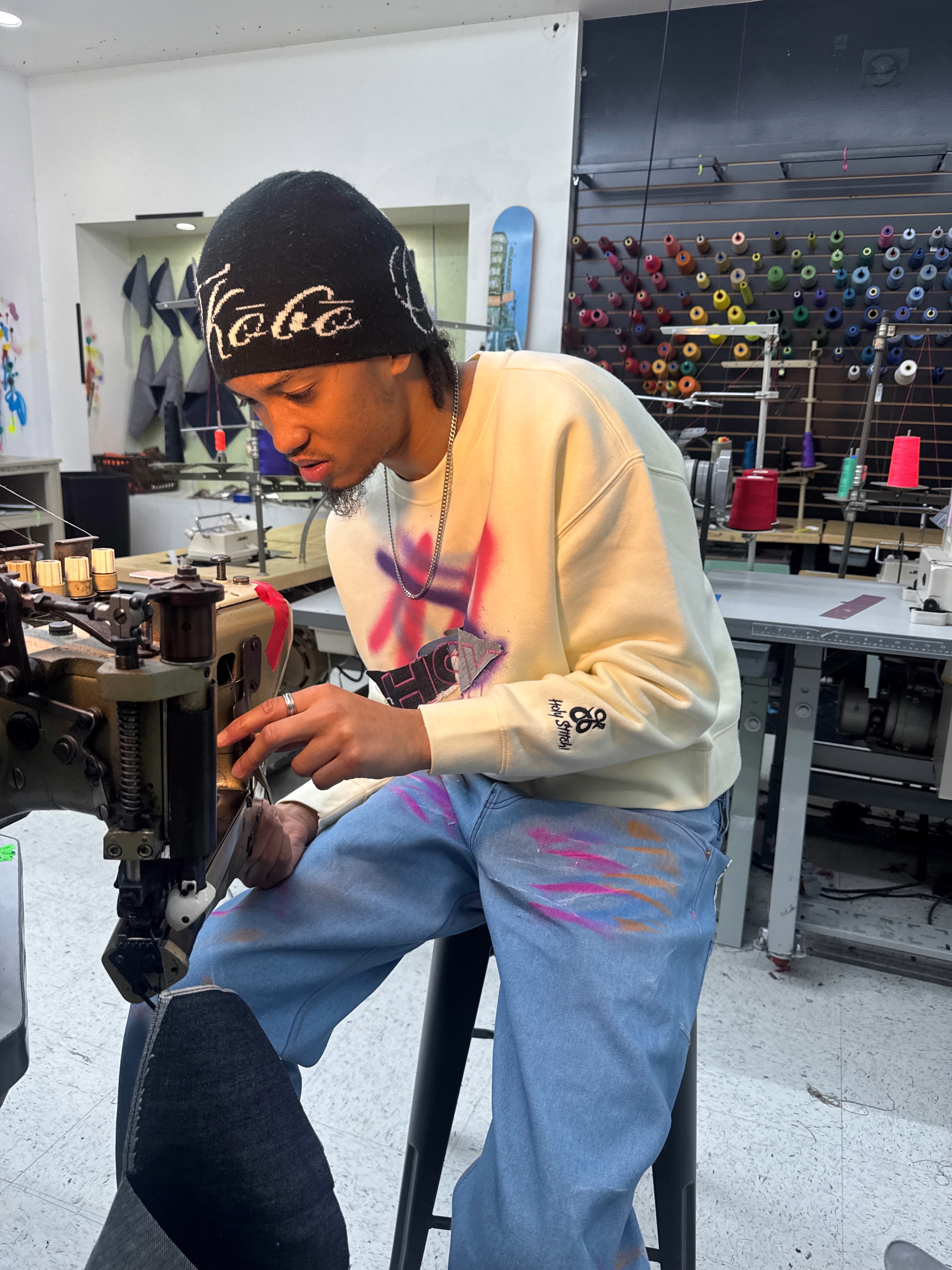
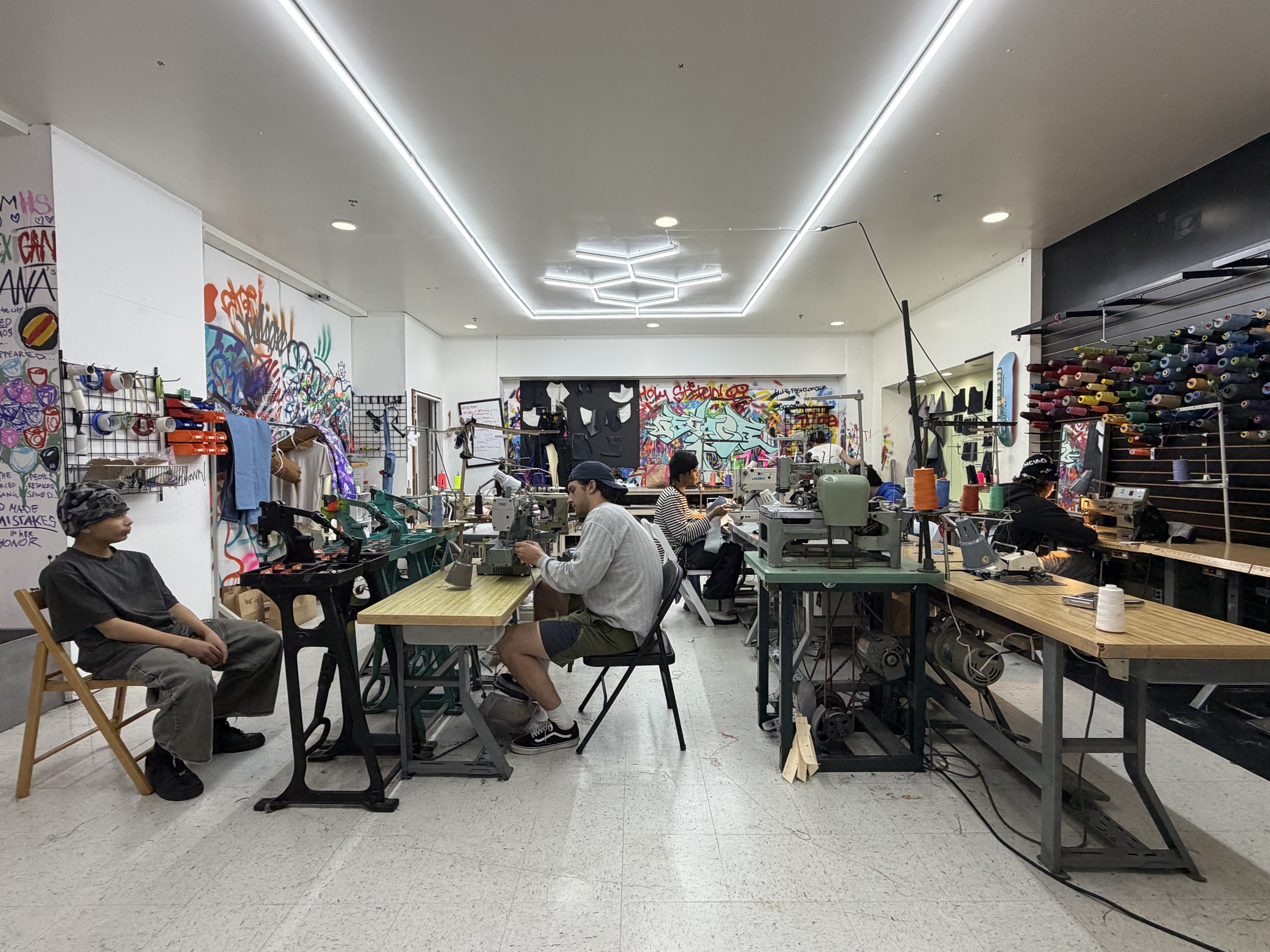
Most sewing classes happen in a craft room. Ours happen on the same floor, on the same industrial machines, as the production that pays for the fellowship. You leave having made something on equipment the trade actually uses.
Course catalog
Every class runs on the same industrial machines as our production, taught by the people who run it. Start at Beginner with no experience, move up a level when you're ready, and finish with the Denim School Core Track. Dates and open seats are live on our booking page.
Beginner
HS 100
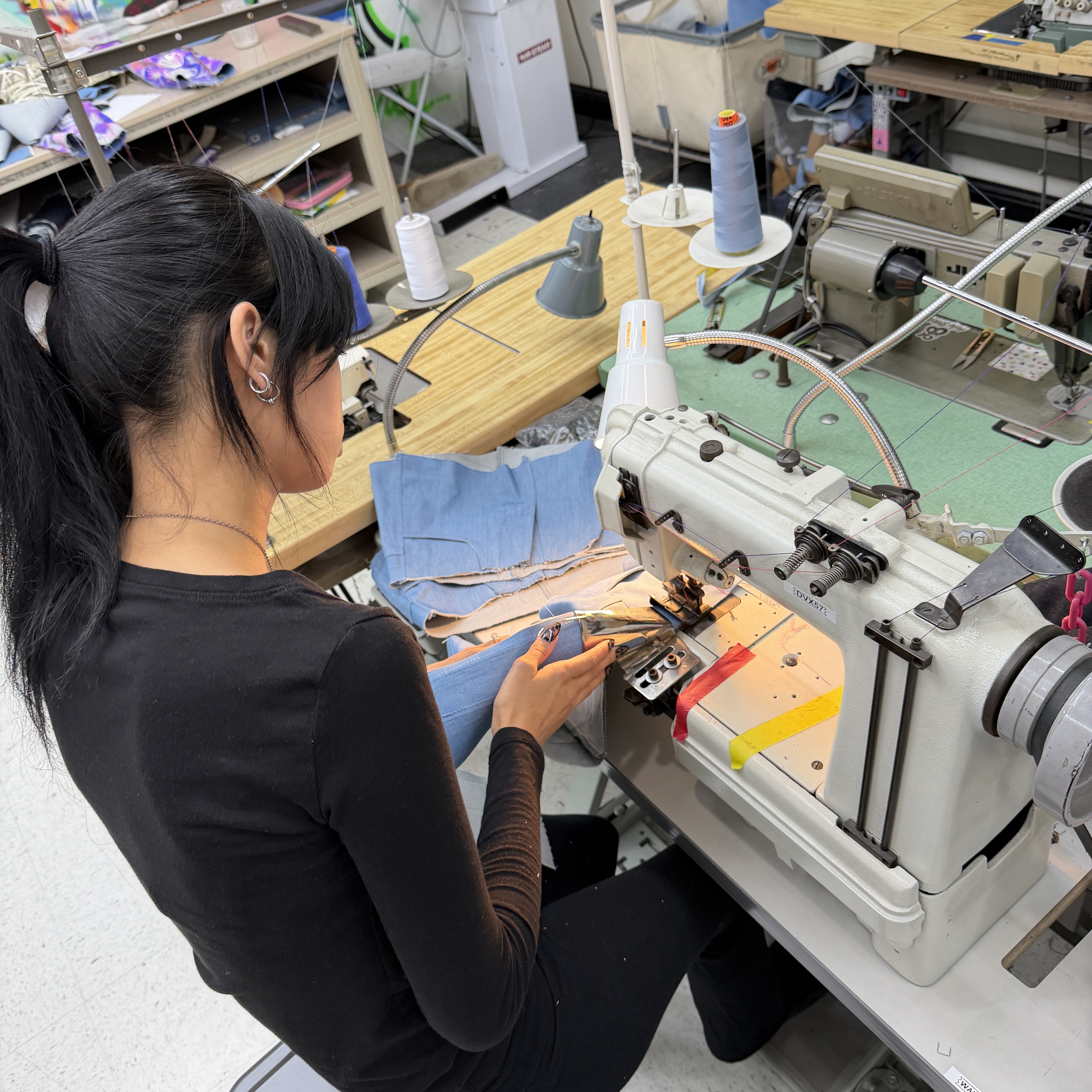
No sewing experience needed. Learn single-needle sewing, the foundation of everything we make, including our jeans: thread and run an industrial machine, sew straight lines and curves, and finish a project.
You leave with: three denim keychains, one letter from our stencil plus two of your own designs.
Beginner
HS 101
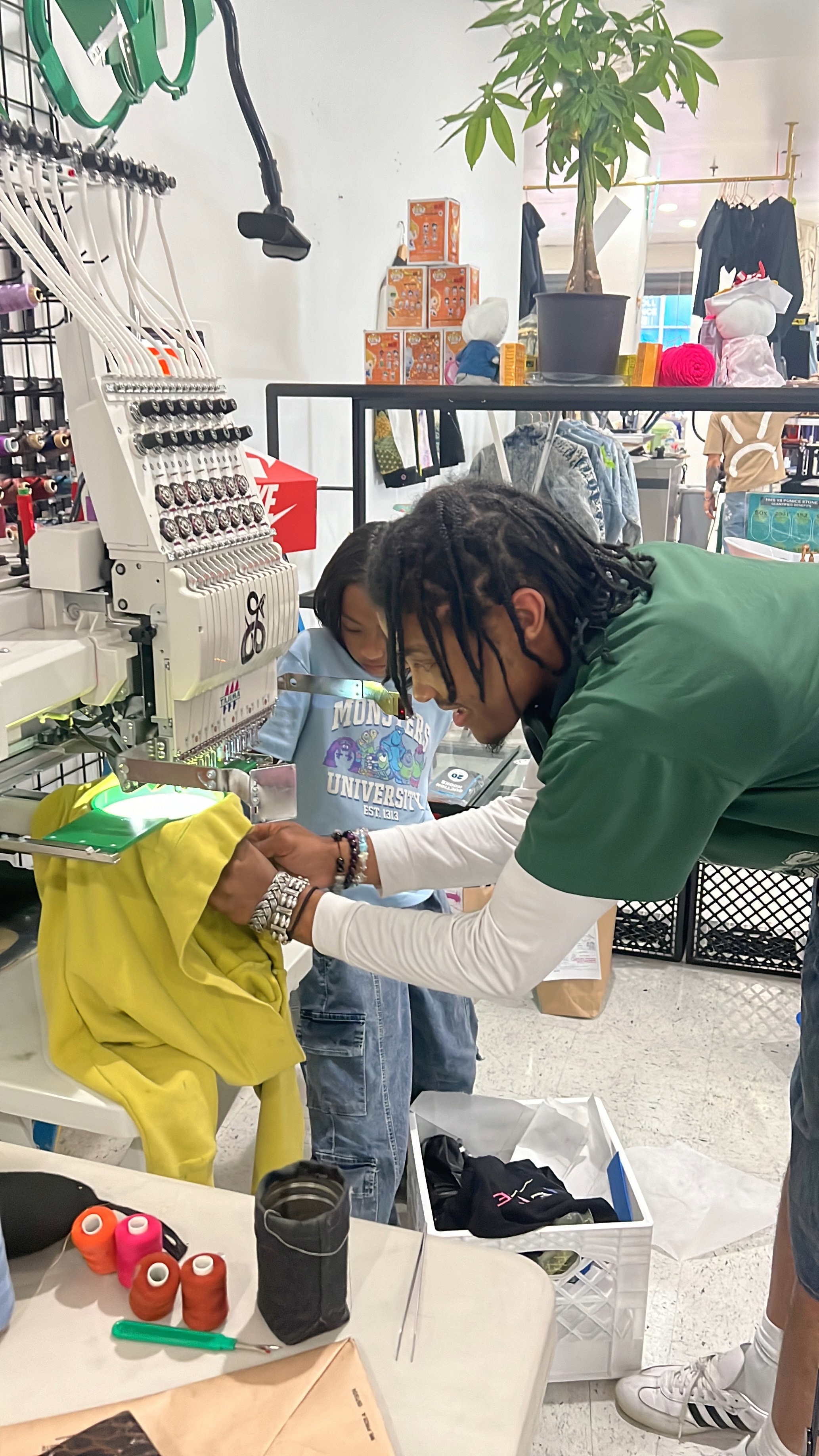
Your first three hours on an industrial single-needle machine. Thread it, control the speed, and sew straight lines, curves and corners — then cut and sew a denim tote from start to finish. No experience needed.
You leave with: a tote bag you made and the basics of industrial sewing.
Seasonal · Beginner grads
HS 150
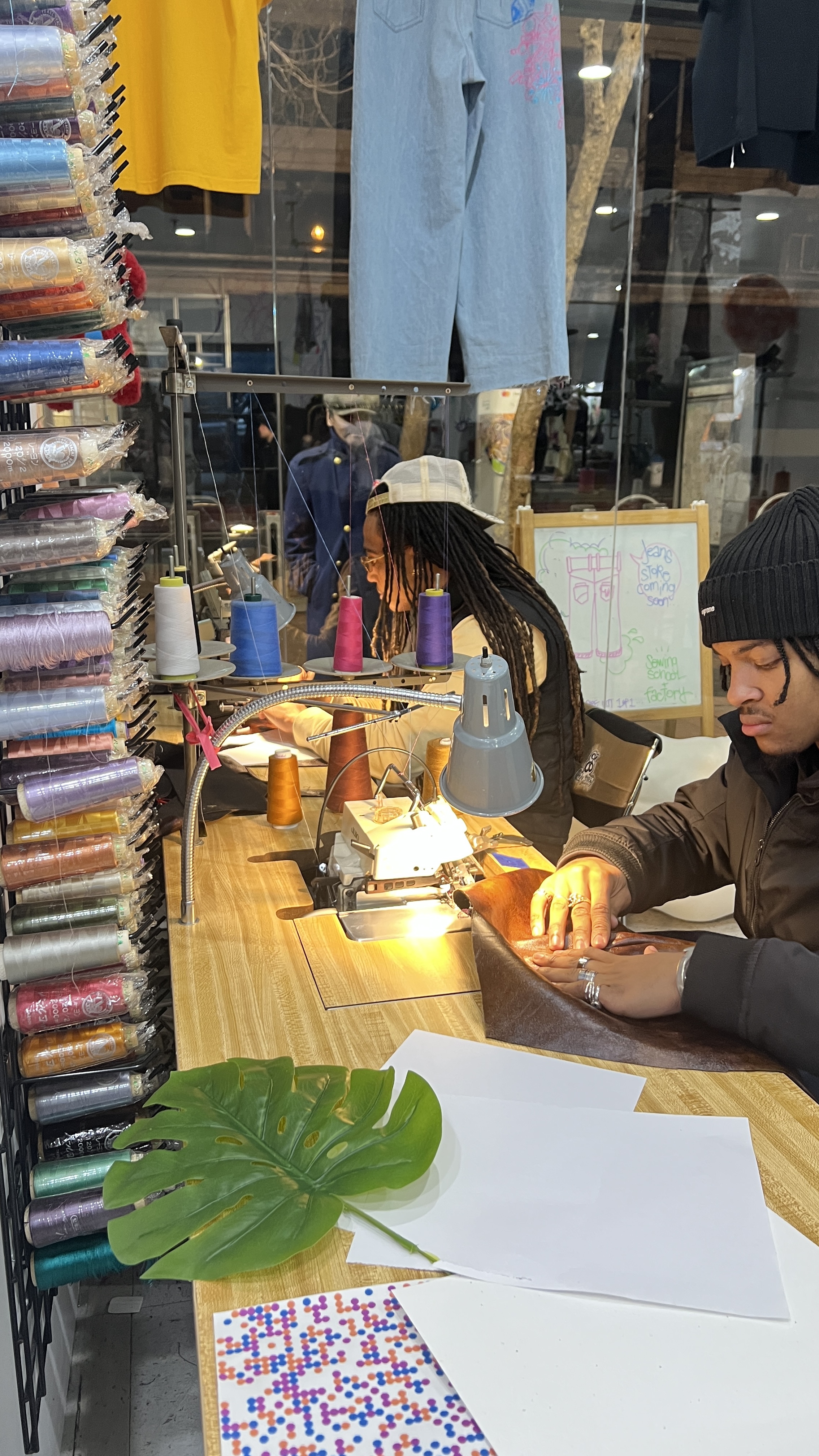
A fresh project every month, made with the seasons in mind. This quarter: a holiday stocking (November), a wine bottle holder (December) and a denim heart pouch (January).
You leave with: a finished project, made for gifting. You can suggest what we make next.
Intermediate
HS 201
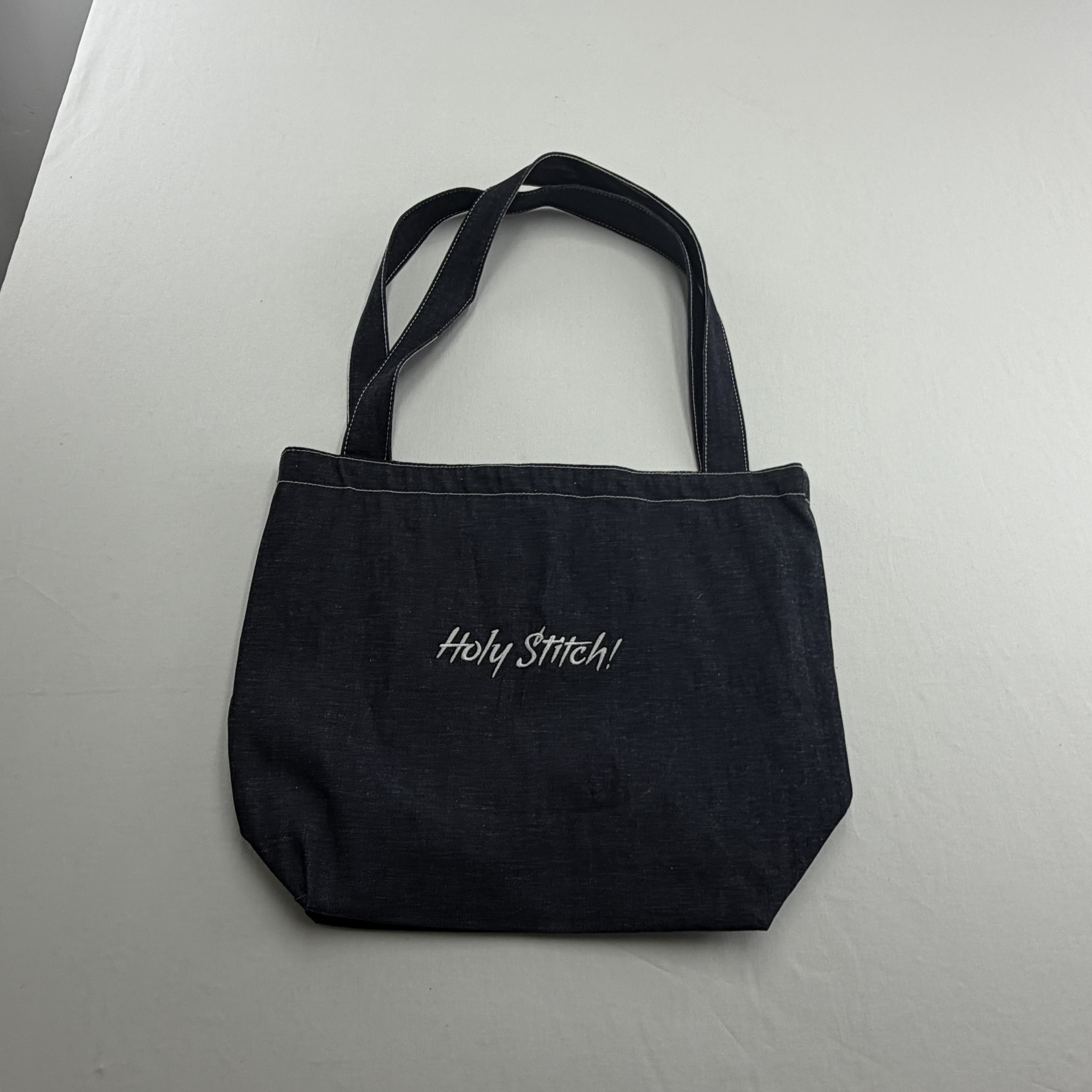
The second machine. You already know the single-needle — now learn the overlock (serger), which trims and finishes raw edges so seams look clean and hold up to wear. Build a tote using both machines the way the floor actually uses them.
You leave with: a denim tote you'll actually carry, and a feel for how two machines work together.
Advanced
HS 301
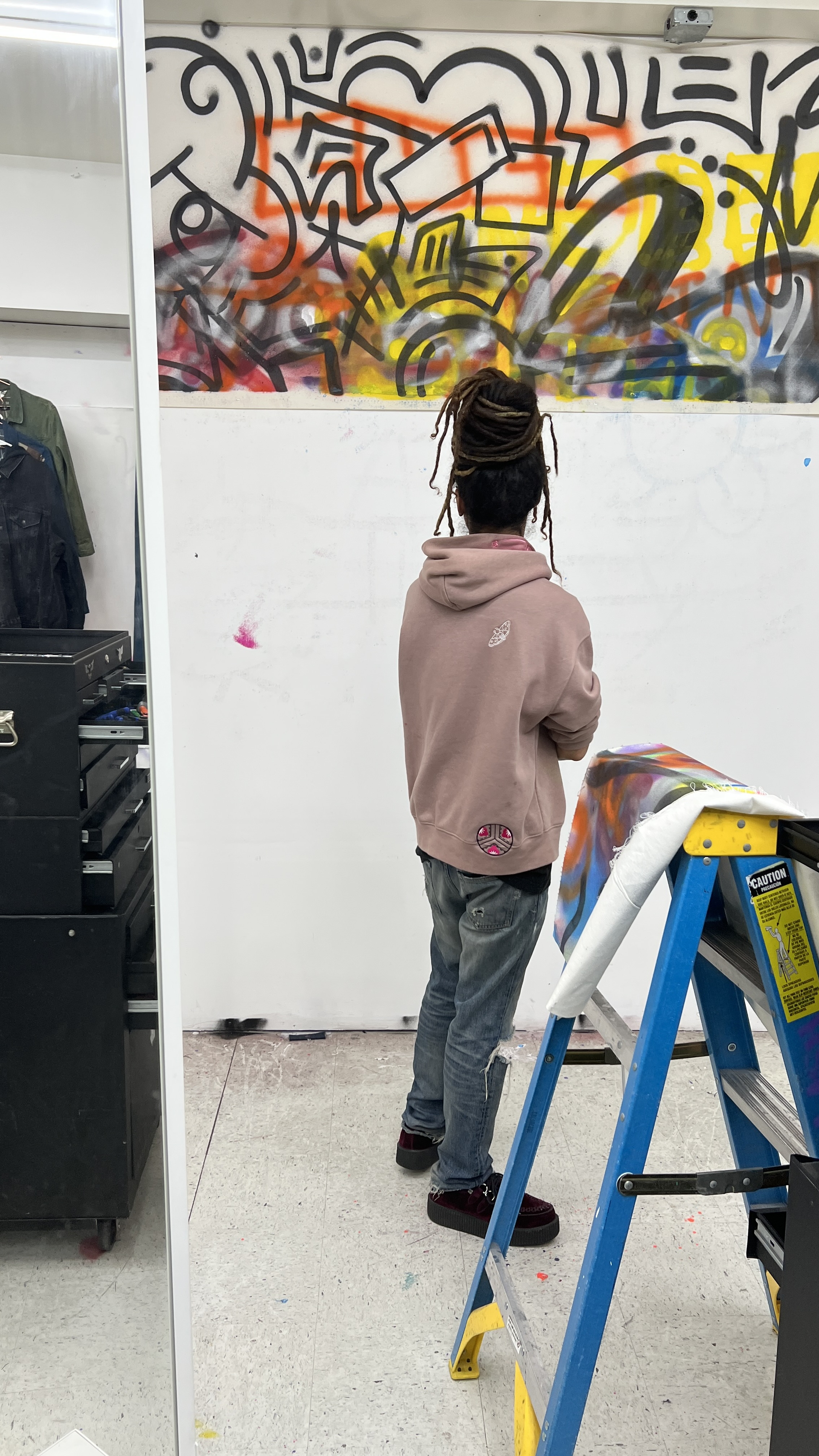
Sew a full garment: construct the body, sleeves, hood and pocket on single-needle and overlock machines, then finish with cuffs and a waistband.
You leave with: a hoodie you made yourself and the confidence to tackle full garments.
Denim School
DS 400
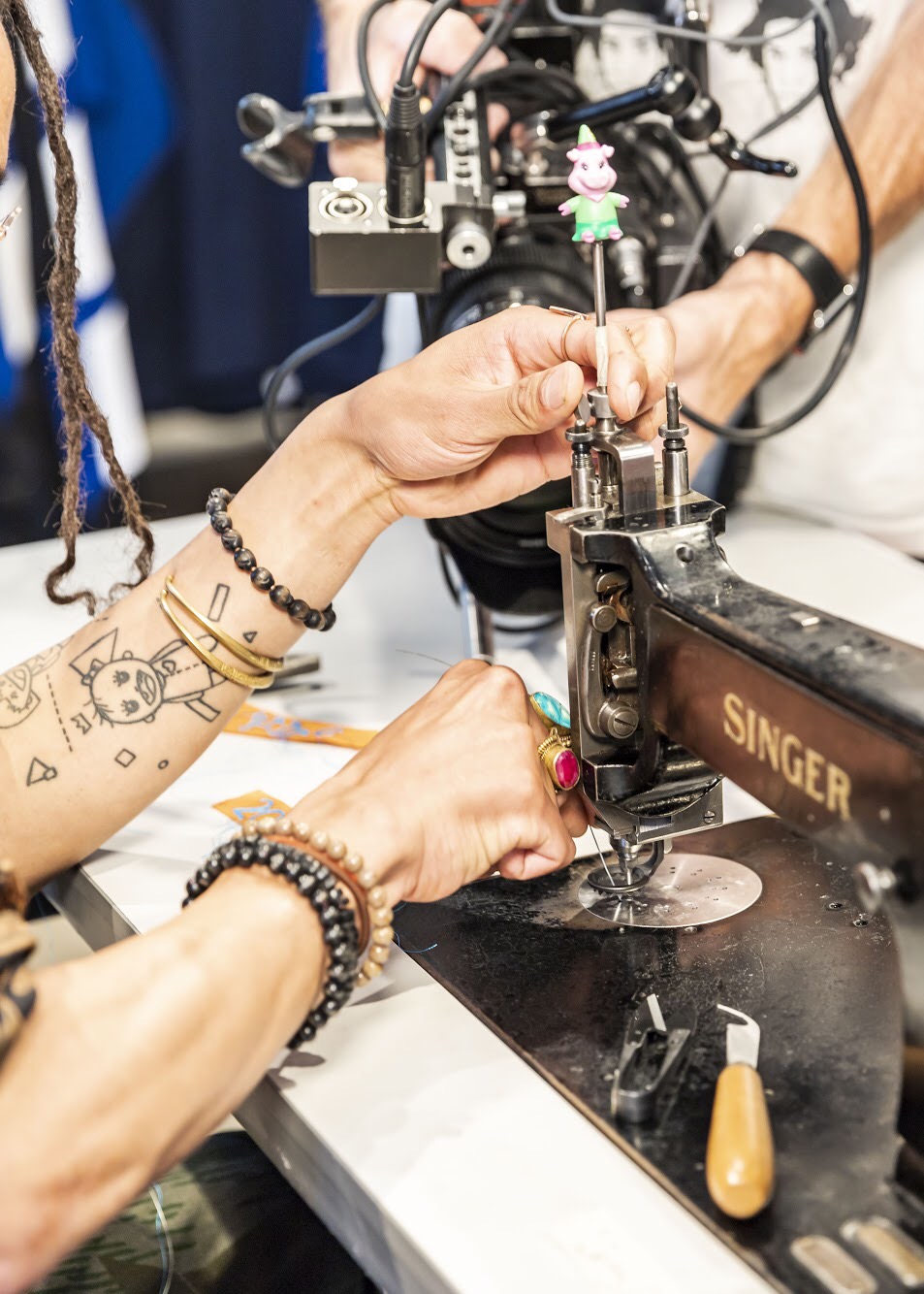
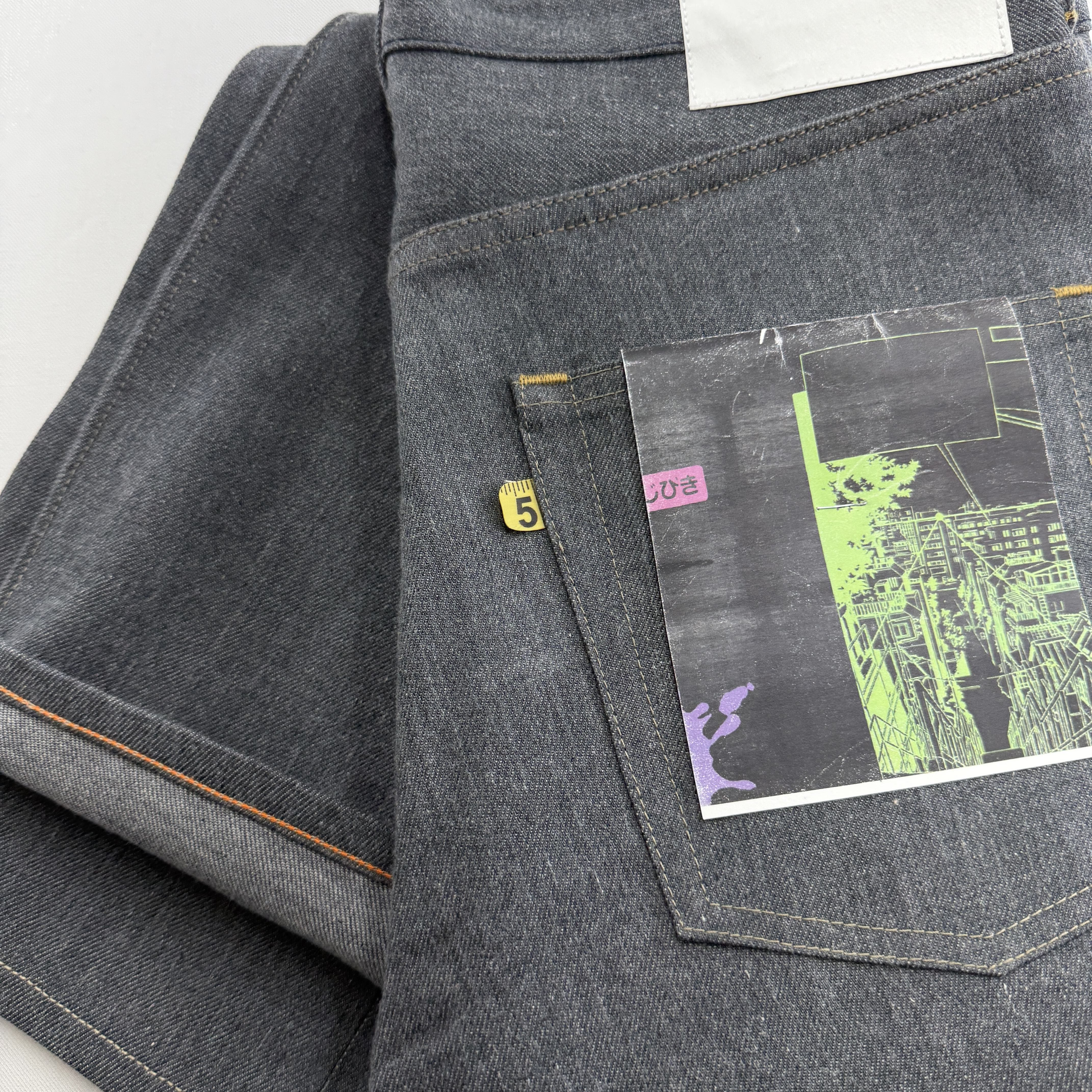
Two months on the factory floor, on the real lineup: single-needle, overlock, felling machines, waistband machine and kick presses. Trace and true a pattern, cut your denim, and build a full pair of jeans — felled seams, pockets, fly, waistband, hems, rivets and topstitching.
You leave with: a finished garment and the skills to work without someone solving every problem for you.
The Denim School · DS 400
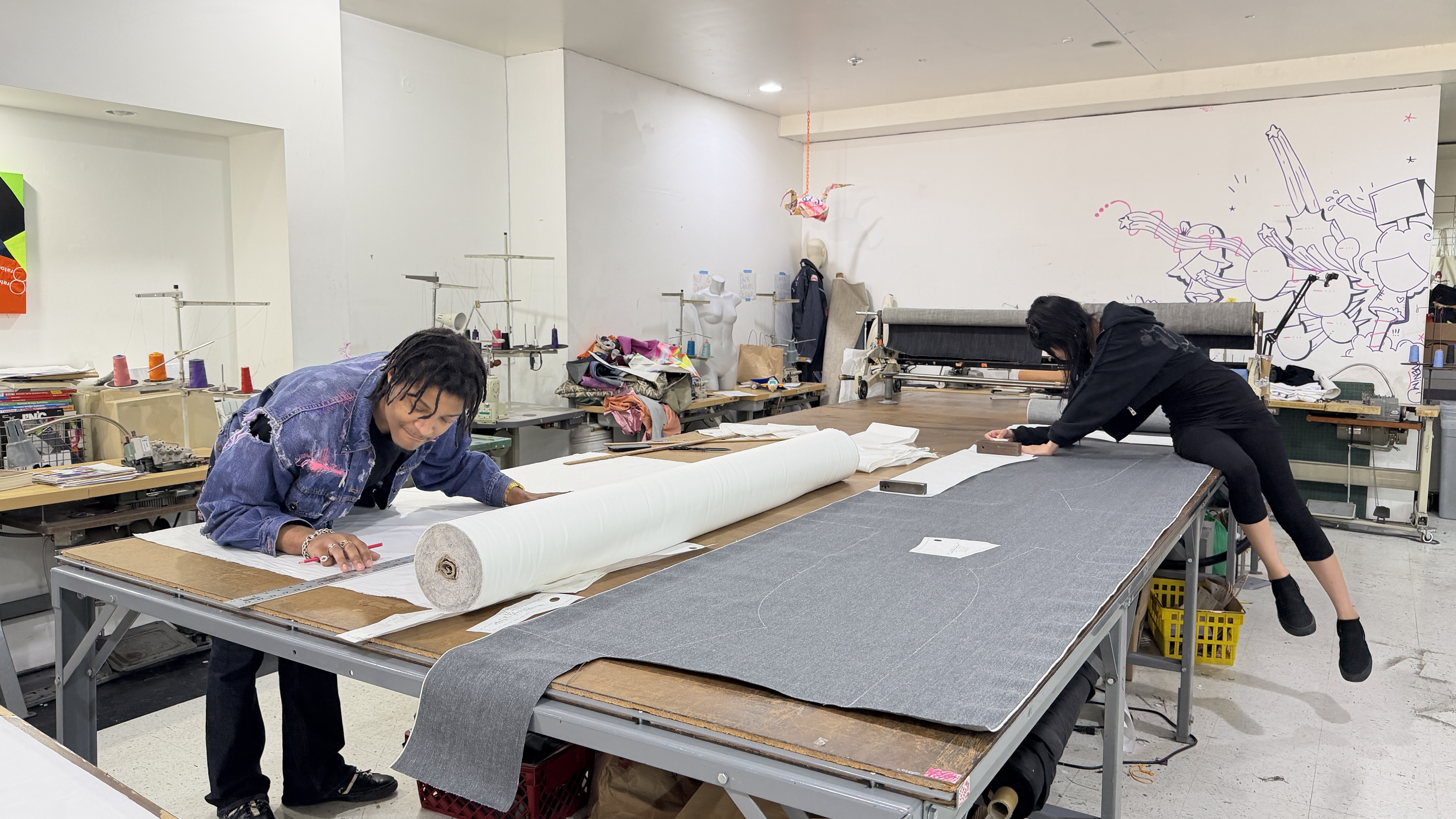
Most people who want to learn to make clothes end up in a craft room with a domestic machine and a yard of muslin, sewing something they will never use. This is not that. The Core Track puts you on the production floor at 1059 Market Street — a working denim factory in the city where jeans were invented — on the full industrial lineup it actually takes to build a pair of jeans: single-needle, overlock, felling machines, the waistband machine, and kick presses for hardware. These are the machines our fellows and our contract orders run on, and almost nobody outside a factory ever gets to touch them. Eight four-hour sessions, one a week: 32 hours in which you take a pair of jeans from flat paper to finished garment. Trace and true a pattern to your own measurements, lay and cut your denim, fell the inseams and side seams, set the pockets, fly, waistband and hems, kick the rivets and buttons in by hand, and topstitch in heavy thread — the stitch everyone can see, and the one that tells a trained eye in two seconds whether you know what you are doing. You will also learn to thread, tension, re-needle and clear a jam on every machine you touch, because a maker who cannot keep a machine running is not a maker yet. Come in having never sewn, or with years behind you: beginners build the right foundation, experienced sewers replace inefficient habits. $1,750 a month for two months ($3,500 total).
Phase 1
Select and analyze an existing garment
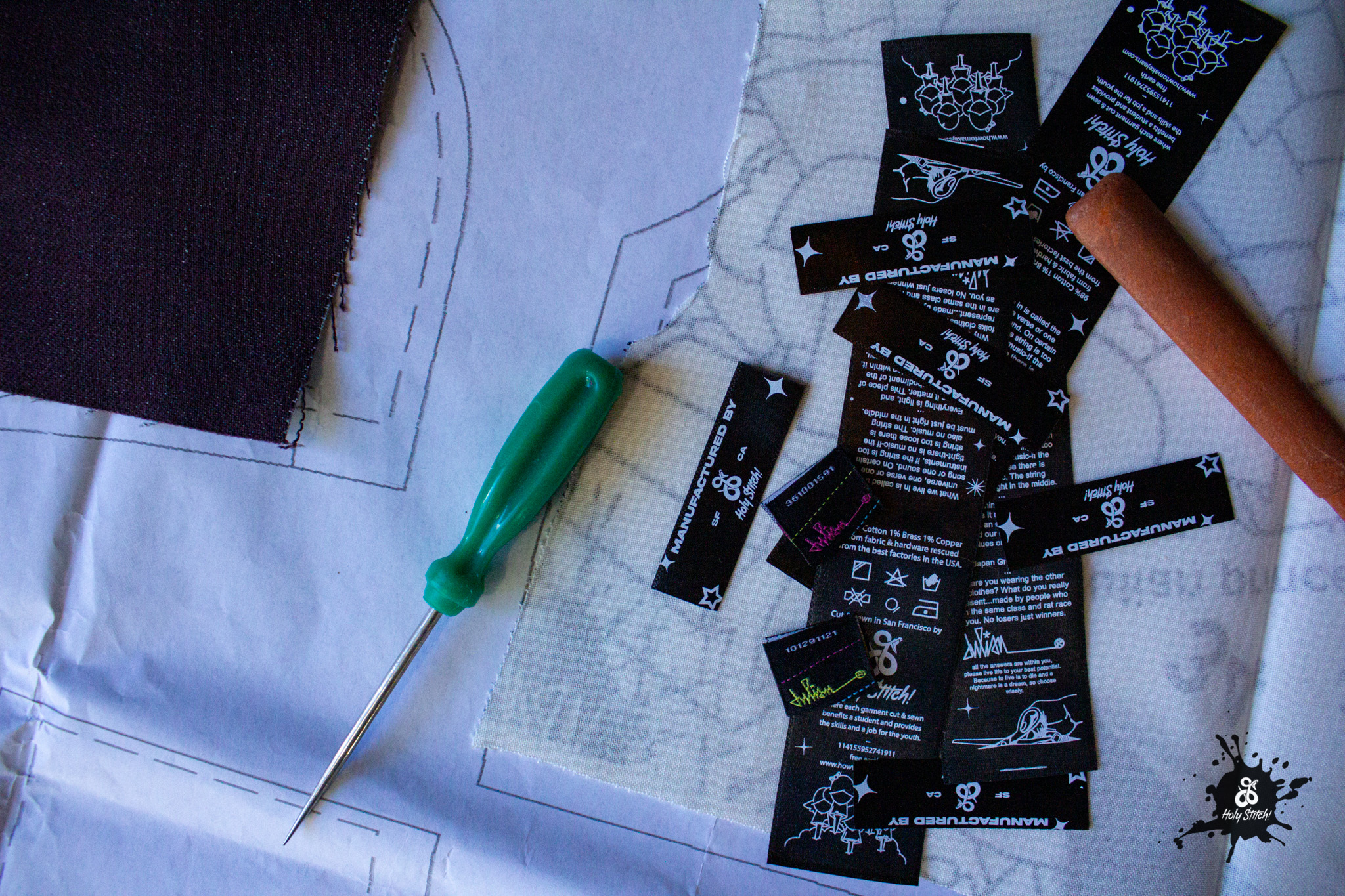
Trace it and convert it into a working pattern
Mark construction lines, seam allowances, grainlines, notches and balance points
Prepare, correct and test the pattern
Phase 2
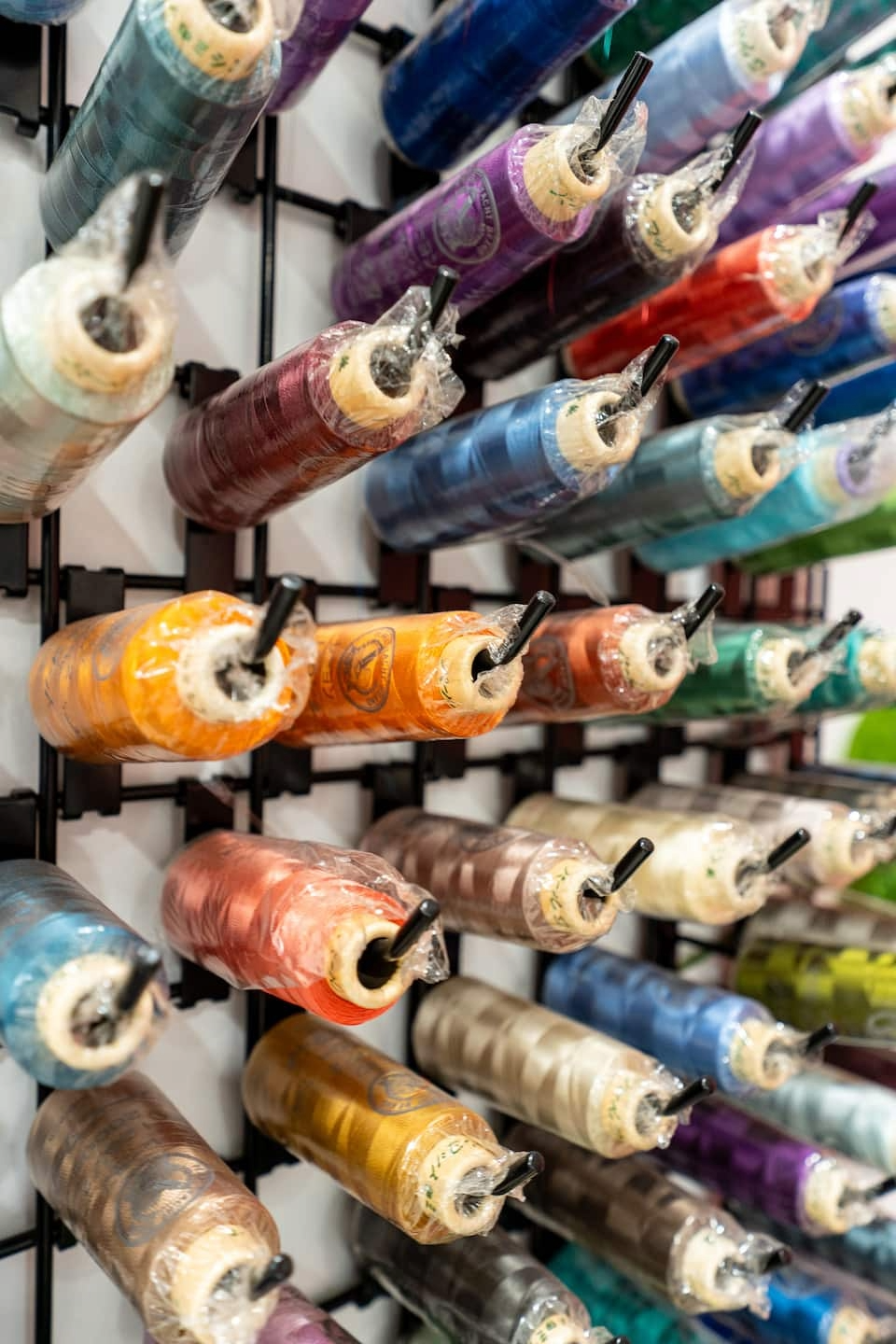
Choose the right denim, thread, needles, hardware and machines
Lay out, mark and cut the garment
Recreate it with our factory tools, techniques, materials and order of operations
Phase 3
Fit and troubleshoot the garment
Finish it to factory standard
Evaluate the completed piece against the original
You leave with a pair of jeans with your name on the inside and your hands all over the outside — plus the ability to read a pattern, cut cleanly, and run industrial equipment without supervision, and a working vocabulary for the trade (felled seams, rise, grainline, SPI) so you can talk to a factory, a tailor or a supplier and be taken seriously. Machines and skills trained along the way: industrial single-needle, overlock, felling machine, waistband machine and kick press; topstitching, pockets, flies, waistbands, belt loops, hems, rivet and button setting, repairs, reinforcement, customization, production workflow and quality control.
From pattern to pair
Curriculum
Classes are the front door. Behind them is the curriculum that trains our fellows and apprentices: a six-month cohort that moves through the same production zones as a working jeans line, with a level system that marks real progress and a registered apprenticeship in development with the State of California.
L1
Learning the machines and the basics.
L2
Working real orders with supervision.
L3
Certified, operation by operation.
L4
Runs production independently.
L5
Teaches, assesses and leads the floor.
Zone 0
Lay out, mark and cut every piece. Month one.
Zone 1
Small parts: pockets, loops and facings, built ahead of assembly.
Zone 2
Front and fly (button and zipper), back panels and yokes, rise, inseam and outseam.
Zone 3
Waistband, hems and full assembly, checked against a pass/fail standard.
Core
Every fellow: pattern, cutting, construction, finishing and quality.
Track B
Embroidery, screen printing, heat press and customization.
Track C
Alterations, darning, repair and fit.
Track D
Pricing, product presentation, photography and the storefront.
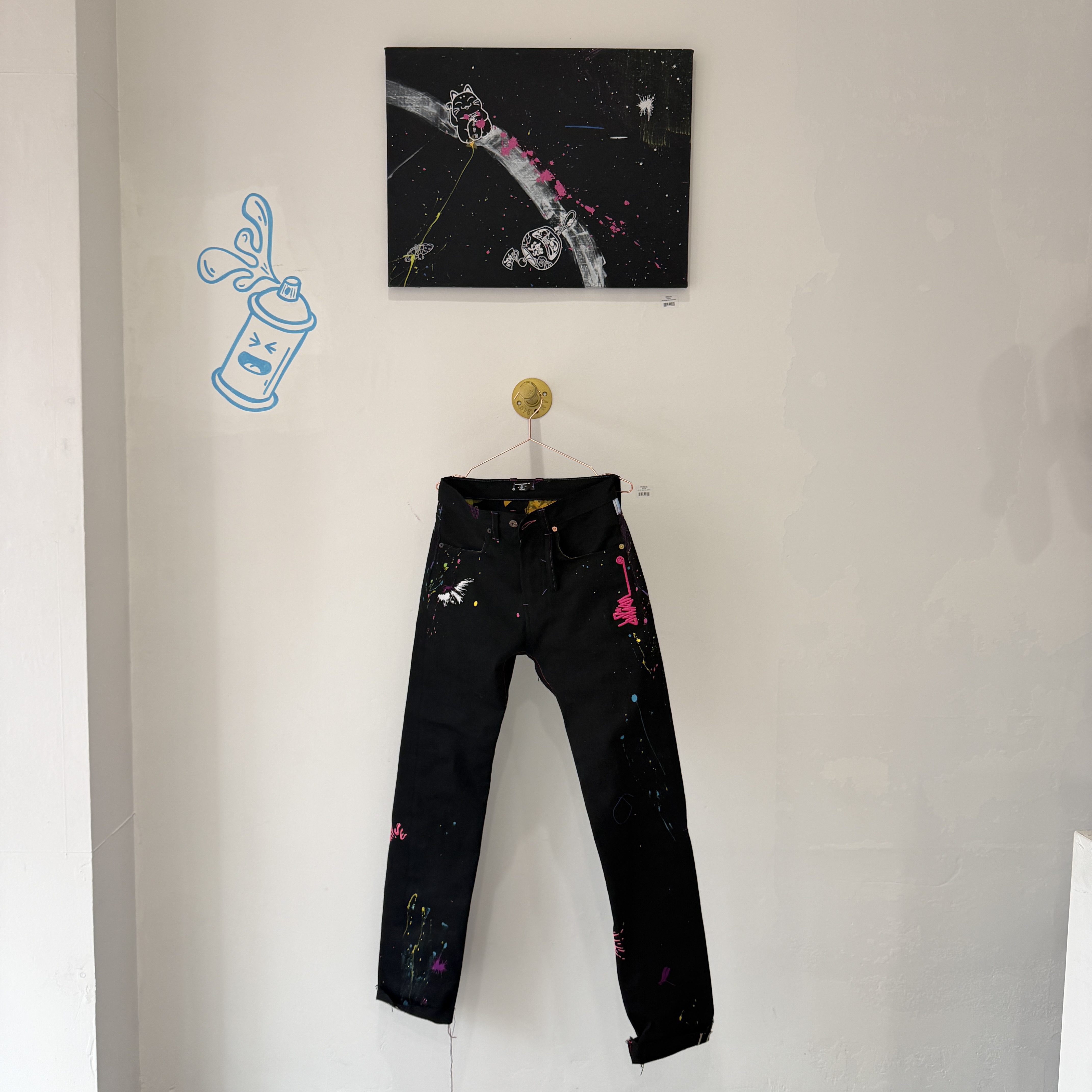
Day one, everyone customizes. Every fellow, intern and team member starts on silkscreen, embroidery and heat press from their first session.
We are developing Jean Technician as a California registered apprenticeship with the Division of Apprenticeship Standards, under the occupation Tailors, Dressmakers and Custom Sewers (O*NET-SOC 51-6052). The structure: 2,000 hours of on-the-job training across seven competencies, plus 144 hours of related classroom instruction.
Sewing Construction
600 hrs
Patterns & Cutting
300 hrs
Finishing
300 hrs
Quality Assurance
250 hrs
Decoration & Embellishment
200 hrs
Retail, Product Presentation & Costing
200 hrs
Repair, Darning & Tailoring
150 hrs
Related classroom instruction (RSI)
144 hrs
The calendar is what we run regularly. It is not the limit of what we teach. If you want something built around you, your group, or your company, write to us and we will design it on our machines, in our factory, around what you actually want to make.
1, 2 or 3 hours · $150 per hour
An instructor and a machine, entirely yours, built around the project in your head. Finish the thing you started, learn the one technique holding you up, or get a pattern working. Bookable now on our class page.
By arrangement · Quoted per group
Birthdays, bachelorettes, team offsites, school and college groups, youth programs. We take over the floor, set up a machine for everyone, and run a build that sends every person home with something they made. Corporate workshops include a tour of the production floor.
By arrangement · Quoted per project
Pattern and sampling intensives, a specific machine your team needs to learn, production workflow training, or live customization at your event. If it happens on industrial equipment, we can teach it or run it.
Tell us what you want to make, roughly how many people, and when. We answer every one.
Membership is for people who want to keep building after the class ends: regular floor sessions on industrial machines, with a three-month commitment.
Trouble with the form? Email info@holystitch.org with your name and the membership you want.
Bring your team to the factory and put them on the machines. Everyone leaves with a garment they customised themselves, and the booking funds workforce training in the same building — which is a considerably better story than a ropes course.
We built and ran the Hoodie House with GAP Inc. at Outside Lands, where festivalgoers customised their own hoodies on our machines. The format scales from a ten-person offsite to a public brand activation.
Prefer email? Send your headcount, dates and booking type to info@holystitch.org and we'll reply with a quote.
1059 Market Street
San Francisco, CA 94103
Tue–Fri 12–6pm · Sat–Sun by appointment